
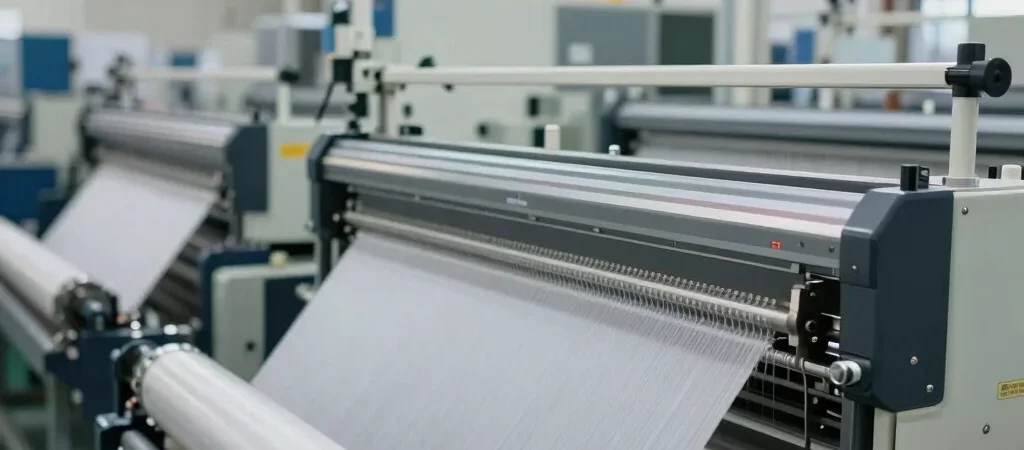
Pakistan's manufacturing sector faces a dual challenge: the imperative to modernize production facilities through automation and the reality of rising industrial electricity tariffs. While digital transformation promises yield optimization and reduced waste, energy costs remain the dominant variable in factory balance sheets.
Tariff Spikes and Automation Payback Calculations
Industrial internet of things deployment and automated quality control systems require consistent, reliable power to protect delicate sensors and compute units. Unannounced grid voltage fluctuations impose hardware maintenance costs that distort original return-on-investment timelines for factory owners in Punjab and Sindh.
Consequently, chief operating officers are linking industrial automation upgrades directly to captive solar power installations. Integrating rooftop solar with industrial battery storage buffers sensitive machinery from grid volatility while capping peak energy expenditures.
Policy Reforms for Industrial Modernization
Broad industrial modernization requires policy frameworks that encourage private power wheeling and streamline grid interconnectivity for export manufacturers. Clear regulatory signals regarding wheeling charges would allow textile and light engineering firms to source renewable energy directly from independent producers.
Enterprises that treat energy efficiency and digital automation as a unified capital expenditure strategy will maintain export competitiveness despite regional cost pressures.